Bitumen VG30: High-Performance Binder for Heavy-Duty Asphalt Roads
Bitumen VG40: Premium Paving Binder for Heavy-Traffic Roads
Bitumen VG40 is a high-viscosity paving-grade bitumen developed for road and infrastructure projects that must withstand heavy traffic, elevated temperatures, and severe loading conditions. Its higher stiffness makes it particularly suitable for applications where softer viscosity grades may not provide adequate resistance to rutting and permanent pavement deformation.
Because of these performance characteristics, VG40 is commonly considered for major highways, airport pavements, ports, industrial zones, freight terminals, logistics facilities, and other surfaces exposed to frequent heavy vehicle movement.
Why Use Bitumen VG40 in Heavy-Duty Road Construction?
Roads subjected to continuous truck traffic and high pavement temperatures require a binder capable of maintaining asphalt stability under repeated stress. Bitumen VG40 provides higher viscosity and stiffness than lower VG grades, helping the asphalt mixture retain its structural form under demanding operating conditions.
This performance becomes especially important in regions with hot climates. As pavement temperatures increase, softer binders can become more susceptible to movement, rut formation, and permanent deformation.
When VG40 is combined with suitable aggregates and a properly engineered asphalt mix, its higher stiffness can improve pavement stability, increase resistance to deformation, and contribute to a longer service life.
Key Advantages of Bitumen VG40
Superior Resistance to Heavy Loads: VG40 is well suited to roads carrying heavy trucks, buses, trailers, and other vehicles that generate frequent and substantial axle loads. It can be used for highways, industrial routes, ports, and freight-handling areas.
Strong Performance at High Temperatures: The high viscosity of VG40 allows asphalt mixtures to maintain greater stability when pavement temperatures rise, making this grade suitable for projects in warm and hot climatic regions.
Greater Resistance to Rutting: Its relatively stiff characteristics help asphalt surfaces resist wheel-track deformation caused by continuous or slow-moving heavy traffic.
Long-Term Pavement Performance: With appropriate aggregate selection, pavement design, and asphalt mix formulation, VG40 can contribute to durable pavement structures capable of performing under severe service conditions.
Potentially Lower Maintenance Frequency: Increased resistance to rutting and permanent deformation may help extend maintenance intervals and reduce rehabilitation requirements throughout the pavement lifecycle.
Common Applications of Bitumen VG40
Due to its high viscosity and structural characteristics, Bitumen VG40 is suitable for various demanding paving applications, such as:
Highways and expressways carrying heavy traffic
Airport runways, aprons, and taxiways
Ports and container handling terminals
Industrial roads and factory areas
Bus lanes and public transportation corridors
Heavy truck routes
Warehousing and logistics centers
High-volume urban roads
Asphalt pavements in hot climatic regions
Bitumen VG40 in Highway Construction
Modern highways and expressways frequently carry substantial volumes of commercial vehicles. Repeated axle loading from trucks can place significant stress on asphalt pavement, particularly in areas where vehicles move slowly or stop frequently.
VG40 bitumen provides the stiffness required to improve asphalt stability under these conditions. Its deformation resistance makes it particularly useful for heavily trafficked highway sections, intersections, truck lanes, climbing lanes, toll areas, and other locations subjected to concentrated traffic loads.
By selecting the appropriate asphalt mix and aggregate structure, VG40 can help reduce wheel-path rutting and maintain pavement integrity over extended periods.
VG40 Bitumen for Ports and Industrial Pavements
Pavements within ports, factories, warehouses, and industrial complexes are often exposed to loads considerably greater than those experienced by ordinary city roads.
Container trucks, heavy trailers, forklifts, cranes, and specialized industrial equipment generate concentrated stresses that can lead to premature asphalt deformation.
The higher viscosity and stiffness of Bitumen VG40 can help asphalt mixtures withstand these demanding loads. As a result, this grade is commonly considered for container yards, loading and unloading zones, industrial facilities, distribution centers, warehouse access roads, and logistics terminals.
Bitumen VG40 Performance in Hot Weather
Temperature is an important factor when selecting the correct paving bitumen grade. During periods of extreme heat, pavement surface temperatures can become significantly higher than the surrounding air temperature.
As asphalt temperature rises, softer binders may lose stiffness and become increasingly vulnerable to rutting and permanent movement.
The relatively high viscosity of Bitumen VG40 provides greater resistance to softening at elevated temperatures compared with lower viscosity grades. This characteristic makes VG40 a practical option for asphalt construction in hot, tropical, and high-temperature environments.
Nevertheless, bitumen selection should not be based on temperature alone. Traffic intensity, axle loading, aggregate properties, pavement structure, local construction standards, and asphalt mix design should all be evaluated before selecting the final binder grade.
Bitumen VG40 Manufacturing and Quality Control
Basekim supplies Bitumen VG40 in accordance with established technical requirements and quality-control procedures.
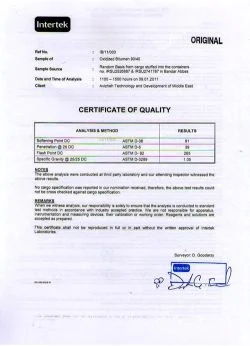
The quality and performance characteristics of VG40 may be evaluated through several laboratory tests, including:
Absolute viscosity
Kinematic viscosity
Penetration
Softening point
Ductility
Flash point
Solubility
Specific gravity
These parameters help evaluate the consistency, handling characteristics, safety, temperature behavior, and overall suitability of the binder for asphalt production and paving applications.
Where required by the customer, consultant, or project specification, independent third-party inspection can also be arranged to verify the quality and quantity of the supplied material.
Available Packaging for Bitumen VG40
Bitumen VG40 can be supplied through different packaging and transportation systems depending on shipment volume, destination, project requirements, and available handling facilities.
Typical supply options include:
New steel drums
Jumbo bags
Bulk bitumen shipment
Each packaging method offers different logistical advantages. The most appropriate solution depends on factors such as transportation cost, shipment size, storage capacity, unloading equipment, destination infrastructure, and project consumption requirements.
Choosing the correct packaging system can improve handling efficiency while helping optimize overall transportation and logistics costs.
International Supply and Export of Bitumen VG40
Successful international bitumen supply requires efficient logistics, proper documentation, and consistent product quality.
VG40 shipments can be organized according to the customer’s required volume, destination port, preferred packaging system, and agreed Incoterms.
Commercial and shipping documents can be prepared based on contractual and destination requirements. Where requested, independent inspection and quality certification may also be coordinated before shipment.
Frequently Asked Questions About Bitumen VG40
What are the main applications of Bitumen VG40?
Bitumen VG40 is mainly used for asphalt pavements exposed to demanding traffic and temperature conditions. Typical applications include highways, expressways, airports, ports, industrial roads, logistics terminals, bus lanes, and heavy truck routes.
Is VG40 bitumen recommended for hot climates?
Yes. VG40 has relatively high viscosity and stiffness, which can improve asphalt resistance to softening and permanent deformation at elevated pavement temperatures. This makes it particularly suitable for road construction in hot climatic regions.
What is the difference between Bitumen VG30 and VG40?
The primary difference is viscosity. VG40 has higher viscosity and is generally stiffer than VG30. For this reason, VG40 is often considered for applications involving heavier traffic loads, higher operating temperatures, or greater requirements for rutting resistance. VG30 is widely used for general heavy-duty paving applications where conditions are comparatively less severe.
What is the difference between VG20 and VG40?
VG20 is a lower-viscosity paving grade and is generally used under less severe traffic and temperature conditions. VG40 offers higher stiffness and improved resistance to permanent deformation, making it more appropriate for heavily loaded pavements and hotter environments.
Depending on project requirements, Bitumen VG20 and Bitumen VG30 can also be evaluated as alternative viscosity grades.
What packaging options are available for VG40 bitumen?
VG40 is commonly supplied in new steel drums, jumbo bags, or bulk form. Packaging selection depends on order quantity, destination, shipping method, storage conditions, and the unloading facilities available to the buyer.
Is independent inspection available for VG40 shipments?
Yes. Third-party inspection services can be arranged when requested by the buyer or required under the sales contract. Inspection may cover product specifications, quality, quantity, packaging, or other agreed shipment requirements.
What information is required to receive a VG40 quotation?
To request a quotation, buyers should provide the required quantity, destination port or delivery location, preferred packaging method, and requested delivery terms. Based on these details, the Basekim export team can prepare an appropriate commercial offer.
Bitumen VG40 for High-Performance Infrastructure
Bitumen VG40 provides the high viscosity and stiffness required for asphalt pavements operating under demanding traffic and temperature conditions. Its ability to improve resistance to rutting and permanent deformation makes it a suitable binder for highways, airports, ports, industrial facilities, logistics centers, and other heavy-duty infrastructure projects.
For optimum pavement performance, the selection of VG40 should be based on project-specific factors such as traffic volume, axle loads, climatic conditions, pavement structure, aggregate characteristics, asphalt mix design, and applicable engineering standards.
When properly selected and incorporated into a suitable asphalt mixture, Bitumen VG40 can contribute to improved pavement stability, longer service life, and reduced long-term maintenance requirements.
Table of Contents
Technical Specifications
| Property | Standard Value |
|---|---|
| Viscosity @60°C (poise) | 2400–3600 |
| Penetration @25°C (dmm) | 50–70 |
| Softening Point (°C) | Min 47 |
| Ductility @27°C (cm) | Min 40 |
| Flash Point (°C) | Min 220 |
| Solubility in TCE (%) | Min 99 |
| Specific Gravity @25°C | ~1.01 |
| Loss on Heating (%) | < 0.2 |
References and certificates