Bitumen 80/100 | Engineered for Extreme Cold & Lasting Road Performance
Bitumen 80/100: Flexible Paving Grade for Cold-Climate Roads
In regions where pavements are regularly exposed to low temperatures, winter conditions, and repeated freeze-thaw cycles, selecting a flexible bitumen grade is essential for maintaining long-term road performance. Bitumen 80/100 is a relatively soft penetration-grade bitumen valued for its flexibility, ductility, and ability to accommodate temperature-related movement within asphalt pavements.
With a penetration range of 80–100 dmm, this grade is commonly considered for road construction and asphalt applications where greater binder flexibility is required. Its characteristics can help asphalt mixtures resist thermal cracking and maintain pavement integrity in colder environments when the grade is properly selected as part of the pavement and mix design.
Bitumen 80/100 can be used in highways, urban roads, airport pavements, bridges, and other infrastructure projects where climatic conditions favor the use of a softer penetration-grade binder.
Production and Quality Control of Bitumen 80/100
The production of Bitumen 80/100 begins with suitable petroleum feedstock and a carefully controlled refining process. Atmospheric and vacuum distillation are typically used to separate lighter petroleum fractions and obtain the heavy residue required for bitumen production.
Depending on the characteristics of the feedstock and the required final specification, further processing and blending may be applied to achieve the desired penetration, viscosity, softening point, and other performance properties.
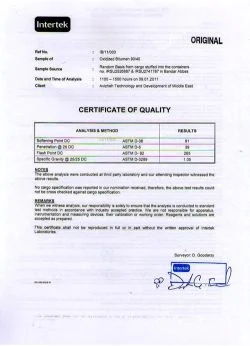
Quality control is an important part of supplying a consistent paving-grade bitumen. Representative samples can be tested according to applicable international standards and contractual specifications.
Typical laboratory evaluations for Bitumen 80/100 include:
Penetration at 25°C
Softening point
Ductility
Flash point
Solubility
Specific gravity
Loss on heating
Retained penetration after heating
Through controlled production and systematic testing, Basekim aims to provide Bitumen 80/100 with consistent properties from one shipment to another.
Packaging and Shipping Options for Bitumen 80/100
Proper packaging and transportation are important for preserving product quality and ensuring efficient handling at the destination. Basekim can supply Bitumen 80/100 through different packing and transportation methods depending on order quantity, destination, and project requirements.
Steel Drum Packaging
Bitumen can be supplied in durable steel drums suitable for containerized export. Drum packaging provides convenient handling, transportation, and storage, particularly for projects without dedicated bulk bitumen facilities.
Jumbo Bags
Jumbo bags provide an alternative solution for transporting larger quantities of bitumen while reducing the use of conventional steel packaging. They may be suitable for infrastructure contractors and asphalt producers depending on their unloading and melting facilities.
Bulk Bitumen
For large-volume requirements, Bitumen 80/100 may also be transported in bulk using appropriate bitumen tankers, vessels, or other specialized transportation systems, subject to route and destination availability.
Basekim can coordinate the required commercial and shipping documentation to support international deliveries and facilitate the export process.
Applications of Bitumen 80/100
Thanks to its relatively high penetration and flexibility, Bitumen 80/100 can be considered for several paving and industrial applications, including:
Asphalt concrete production
Highway and road construction
Urban and municipal roads
Airport pavement and runway projects
Bridge deck paving
Pavements in relatively cold climates
Asphalt maintenance applications
Selected waterproofing and industrial applications
The suitability of Bitumen 80/100 for a particular project should always be determined according to the applicable engineering specification, climate, traffic loading, aggregate characteristics, and asphalt mix design.
Why Choose Basekim for Bitumen 80/100?
Basekim supplies Bitumen 80/100 for international infrastructure and industrial requirements, with attention to product specifications, packaging, documentation, and logistics.
Complete Export Documentation
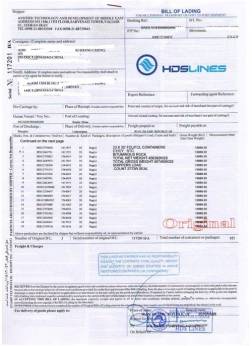
Depending on contractual and destination requirements, shipments can be supported with documents such as a Certificate of Analysis (COA), Material Safety Data Sheet (MSDS/SDS), Commercial Invoice, Packing List, and Certificate of Origin.
Flexible Packaging Solutions
Different packaging and transportation arrangements can be considered according to the customer’s handling facilities, order volume, and destination.
Customized Marking and Labeling
Custom drum markings, labels, and other packaging requirements can be arranged according to buyer instructions and applicable regulations.
International Supply Experience
Basekim’s experience with international bitumen trading and logistics helps customers manage transportation, documentation, inspection, and other export requirements efficiently.
Third-Party Inspection
Independent inspection by recognized organizations such as SGS, Intertek, or Bureau Veritas can be arranged when requested by the buyer and subject to contractual terms.
FAQ – Bitumen 80/100
1. What is Bitumen 80/100?
Bitumen 80/100 is a penetration-grade paving bitumen with a penetration value generally between 80 and 100 dmm when tested at 25°C under specified standard conditions. It is softer and more flexible than lower-penetration grades such as Bitumen 60/70.
2. Where is Bitumen 80/100 commonly used?
Bitumen 80/100 is primarily used for asphalt production and road construction. Its relatively soft characteristics make it suitable for applications where flexibility and resistance to low-temperature cracking are important considerations.
3. Is Bitumen 80/100 suitable for cold climates?
It can be suitable for colder climatic conditions because its higher penetration provides greater flexibility than harder penetration grades. However, final grade selection should be based on local climate, pavement design, traffic loading, and relevant engineering standards.
4. What is the difference between Bitumen 80/100 and Bitumen 60/70?
The main difference is their penetration range. Bitumen 80/100 is softer and generally more flexible, while Bitumen 60/70 is harder and offers greater stiffness. The appropriate grade depends on climatic conditions and the requirements of the asphalt pavement.
5. How should Bitumen 80/100 be stored?
Drummed bitumen should be stored in a suitable area and protected from unnecessary exposure to moisture, contamination, and extreme environmental conditions. Bulk bitumen should be stored in properly designed and maintained heated tanks while following appropriate temperature-control and safety procedures.
6. What packaging is available for Bitumen 80/100?
Depending on the destination and quantity, Bitumen 80/100 can be supplied in steel drums, jumbo bags, or bulk transportation systems. Packaging specifications can be selected according to customer and project requirements.
7. How is the quality of Bitumen 80/100 tested?
Quality can be evaluated through standard laboratory tests including penetration, softening point, ductility, flash point, solubility, and heating-loss characteristics. Testing methods and acceptance limits depend on the specification agreed for the shipment.
8. Can custom labeling and marking be provided?
Yes. Custom markings and labels can be arranged according to buyer requirements, including company information, product details, batch information, destination markings, and other requested information where applicable.
9. Can third-party inspection be arranged?
Yes. Independent inspection by organizations such as SGS, Intertek, or Bureau Veritas can be arranged upon request and according to the agreed commercial terms.
Table of Contents
Technical Specifications
| Property | Standard Value |
|---|---|
| Penetration @25°C | 80 – 100 dmm |
| Softening Point | 42 – 52°C |
| Ductility @25°C | >100 cm |
| Flash Point | >220°C |
| Solubility | >99.0% |
| Specific Gravity | 1.01 – 1.05 |
| Ash Content | <0.1% |
| Water Content | <0.2% |
References and certificates