Bitumen 200/300 – Ultimate Solution for Ultra-Flexible Asphalt Surfaces
Why Bitumen 200/300 Is Important for Flexible Pavement Applications
Bitumen 200/300 is a very soft penetration-grade bitumen valued for its high flexibility and ability to accommodate pavement movement. Its relatively high penetration allows the binder to remain pliable at lower temperatures, helping asphalt surfaces tolerate thermal contraction and reducing susceptibility to low-temperature cracking.
Compared with harder penetration grades, Bitumen 200/300 provides greater flexibility and workability. These characteristics make it suitable for selected low-traffic pavement applications, surface treatments, maintenance works, pathways, and other projects where a softer binder is required.
Key Features and Benefits of Bitumen 200/300
High Flexibility: The soft consistency and high penetration of Bitumen 200/300 allow asphalt mixtures to accommodate movement and temperature-related stresses more effectively.
Excellent Workability: Its relatively soft nature facilitates mixing, application, spreading, and compaction under appropriate operating conditions.
Resistance to Low-Temperature Cracking: Bitumen 200/300 can be particularly useful in colder environments where harder binders may become excessively stiff.
Smooth Surface Performance: When used in a properly designed asphalt mixture, it can contribute to smooth and comfortable surfaces for pedestrian and light-traffic applications.
Versatile Application: The grade can be considered for new construction, resurfacing, maintenance, and selected surface-treatment projects depending on engineering requirements.
Main Applications of Bitumen 200/300
Bitumen 200/300 may be used for a variety of specialized paving and maintenance applications, including:
Footpaths, Cycle Lanes, and Greenways: Its flexibility makes it suitable for pedestrian and bicycle infrastructure where traffic loads are relatively low.
Rural and Low-Traffic Roads: Bitumen 200/300 can be considered for roads carrying light vehicle traffic, particularly where flexibility at lower temperatures is important.
Parks and Recreational Areas: It may be used in jogging tracks, pathways, recreational surfaces, and similar applications requiring a flexible asphalt binder.
Temporary and Light-Load Pavements: Access roads, temporary construction routes, and other lightly loaded surfaces can benefit from the grade’s workability and flexibility.
Maintenance and Surface Treatments: Depending on the pavement design and local specifications, Bitumen 200/300 may also be used in selected rehabilitation and maintenance applications.
Production and Quality Control of Bitumen 200/300
Bitumen 200/300 is generally obtained through the refining of suitable crude oil feedstocks. Atmospheric and vacuum distillation processes are used to separate lighter petroleum fractions and obtain a bituminous residue with the required characteristics. Further processing or blending may be applied when necessary to achieve the specified penetration and other performance properties.
Quality control is an essential part of the production process. Representative samples are tested for important parameters such as penetration, softening point, ductility, flash point, and solubility according to the applicable product specification and test methods.
Testing helps ensure that each supplied batch meets the contractual technical requirements and provides consistent performance for its intended application.
Packaging and Delivery Options
Bitumen 200/300 can be supplied in different packaging systems depending on shipment volume, destination, handling facilities, and customer requirements.
New Steel Drums: A practical option for containerized transportation, storage, and controlled handling at the destination.
Jumbo Bags: Suitable for projects requiring larger quantities and efficient handling, subject to the product and transportation conditions.
Bulk Supply: An economical solution for large-volume orders where suitable heating, storage, and discharge facilities are available.
Basekim can coordinate international shipments and provide the required commercial and export documentation according to the agreed sales and delivery terms.
Why Choose Basekim for Bitumen 200/300?
Industry Experience: Basekim supplies bitumen and petroleum products to customers in multiple international markets.
Quality Control: Product specifications and quality documentation can be provided according to the agreed requirements.
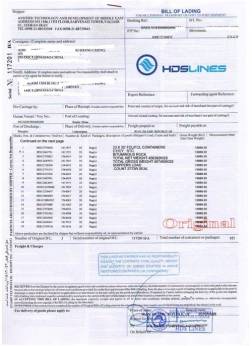
Export Documentation: Shipments can be accompanied by documents such as Certificate of Analysis (COA), Material Safety Data Sheet (MSDS/SDS), Commercial Invoice, Packing List, and Certificate of Origin where applicable.
Flexible Packing Solutions: Different packaging and transportation options can be arranged according to order quantity and destination.
Technical and Commercial Support: Customers can receive assistance with product specifications, packing selection, quotations, and shipping arrangements.
Third-Party Inspection: Independent inspection by recognized inspection companies can be arranged when requested and agreed as part of the contract.
Frequently Asked Questions About Bitumen 200/300
What is Bitumen 200/300?
Bitumen 200/300 is a soft penetration-grade bitumen. The designation generally refers to its penetration range under specified test conditions, indicating a softer binder compared with grades such as 60/70 or 40/50.
Is Bitumen 200/300 suitable for heavy-duty highways?
Generally, Bitumen 200/300 is not the preferred grade for pavements exposed to continuous heavy axle loads or high pavement temperatures. Stiffer grades are typically considered for these conditions, subject to the pavement design and applicable specifications.
Can Bitumen 200/300 be used in hot climates?
Because Bitumen 200/300 is relatively soft, its suitability in very hot climates may be limited, particularly where pavements experience heavy traffic. The appropriate binder grade should always be selected according to climate, traffic loading, pavement design, and local standards.
What are the main advantages of Bitumen 200/300?
Its principal characteristics include high flexibility, good workability, and relatively low stiffness. These properties can make it suitable for selected applications where resistance to low-temperature cracking is important.
What applications are suitable for Bitumen 200/300?
Potential applications include low-traffic roads, pathways, cycle lanes, recreational surfaces, selected maintenance works, and other projects requiring a comparatively soft bituminous binder.
How is Bitumen 200/300 supplied?
Depending on quantity, destination, and project requirements, the product may be supplied in steel drums, jumbo bags, or bulk form.
What documents can be supplied with Bitumen 200/300?
Depending on contractual requirements, documentation may include a Certificate of Analysis (COA), MSDS/SDS, Commercial Invoice, Packing List, and Certificate of Origin. Third-party inspection can also be arranged upon request.
How can I order Bitumen 200/300?
Send Basekim your required quantity, destination port, preferred packaging, and delivery term such as FOB, CFR, or CIF. A commercial quotation and relevant technical information can then be prepared based on your requirements.
Table of Contents
Technical Specifications
| Property | Standard Value |
|---|---|
| Penetration @25°C | 60–70 dmm |
| Softening Point | Min 49°C |
| Ductility @25°C | Min 100 cm |
| Flash Point | Min 232°C |
| Solubility in TCE | Min 99% |
| Specific Gravity @25°C | ~1.01 |
| Loss on Heating | < 0.2% |
References and certificates