
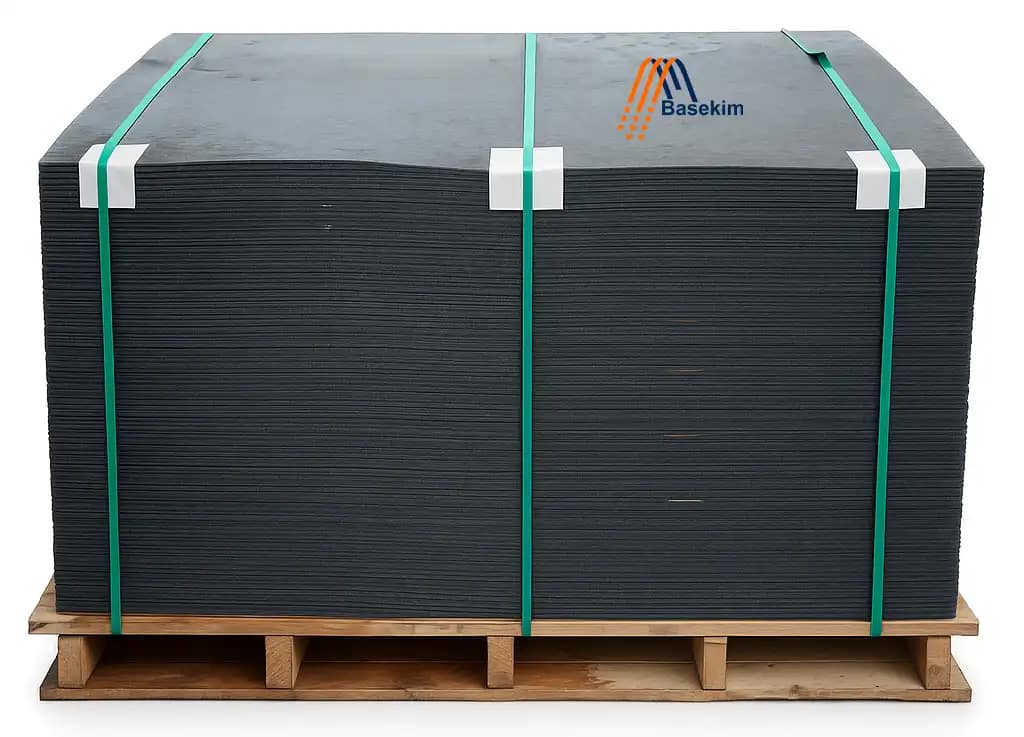
A Protection Board is a durable, semi-flexible sheet designed to safeguard waterproofing membranes and insulation layers from physical damage during backfilling, compaction, or site traffic. It acts as a protective barrier that ensures long-term integrity of the waterproofing system in foundations, tunnels, roofs, and retaining walls. In the construction industry, the protection board is one of the most important yet often overlooked components of a successful waterproofing system.
What Is a Protection Board?
A Protection Board is typically made of bitumen, polymer, or asphalt materials reinforced with fiberglass, polyethylene, or other stabilizing compounds. It provides a tough yet flexible layer between the structural surface and the soil, concrete, or heavy materials placed above it. The main purpose of the protection board is to protect the waterproof membrane from being punctured or torn during construction activities.
Other Names:
Bituminous Protection Board
Asphaltic Protection Sheet
Waterproofing Protection Board
Membrane Protection Layer
Production Process
The manufacturing of Protection Board involves combining oxidized bitumen, asphaltic compounds, and reinforcing fillers under controlled heat and pressure. The process includes:
Mixing: Bitumen and selected polymers are blended with mineral fillers and fibers to create a homogenous mixture.
Sheet Formation: The molten mix is poured or extruded into sheets of uniform thickness.
Reinforcement: Layers of fiberglass or polyethylene film are added to enhance mechanical strength and flexibility.
Cooling and Cutting: The continuous sheet is cooled and cut into standard board sizes, commonly 1 m × 2 m or custom dimensions.
Packaging: Boards are stacked and packed in pallets or bundles for easy transport.
This process results in a dense, resilient material capable of withstanding pressure and chemical exposure during construction.
Physical and Technical Properties
| Property | Typical Value |
|---|---|
| Thickness | 3 mm – 6 mm |
| Density | 1100–1300 kg/m³ |
| Tensile Strength | >1.0 MPa |
| Water Absorption | <1% |
| Softening Point | >100°C |
| Service Temperature Range | -10°C to +120°C |
| Dimensions | 1 m × 2 m, custom sizes available |
The above characteristics make Membrane Protection Layers suitable for both hot and cold climates, offering mechanical protection without compromising flexibility.
Usage and Applications
1. Foundation Walls
Protection boards are placed over bituminous or polymer membranes to protect them from damage during backfilling. They act as a shield between the soil and the waterproof layer, ensuring that the membrane remains intact and watertight.
2. Roof Waterproofing
On flat or inverted roofs, Membrane Protection Layers are used over membranes or insulation layers before laying screed or concrete. This ensures the waterproof layer remains safe from mechanical stress during installation.
3. Tunnels and Underground Structures
In tunnel construction, protection boards serve as a barrier between the waterproofing system and concrete lining. Their high compressive strength makes them ideal for use under high loads and pressure.
4. Bridge Decks
Membrane Protection Layers provide mechanical safety to membranes used on bridge decks, where constant vibration and temperature fluctuations occur.
5. Retaining Walls
When used behind retaining walls, the protection board maintains waterproofing performance despite heavy soil pressure and environmental stress.
Specialty Usage for This Grade
High-performance Membrane Protection Layers are specially formulated for structures that experience extreme temperature variation, dynamic loads, or chemical exposure. These grades include:
SBS-Modified Protection Board: Enhanced flexibility in cold weather and better elongation.
APP-Modified Membrane Protection Layer: Superior UV and heat resistance for hot climates.
HDPE-Based Membrane Protection Layer: Ideal for high-pressure applications and chemical resistance (used in industrial tanks or wastewater projects).
These specialty grades ensure compatibility with various waterproofing membranes such as APP bitumen membrane, SBS bitumen membrane, and self-adhesive membranes.
Advantages of Using Protection Boards
Superior Protection: Prevents punctures, abrasion, and tearing of waterproof membranes.
Thermal Stability: Performs effectively under high temperature and UV exposure.
Chemical Resistance: Withstands exposure to soil chemicals, alkalis, and construction materials.
Ease of Application: Lightweight sheets are easy to cut, handle, and install.
Long Service Life: Extends the lifespan of waterproofing membranes and insulation systems.
Environmentally Friendly: Manufactured using recyclable materials and bitumen derived from natural sources.
Compatibility: Works well with bituminous, polymeric, and liquid membranes.
Installation Method
Surface Preparation: Ensure the waterproofing membrane is fully cured and clean.
Cutting and Fitting: Cut the protection board to the required size using a sharp knife or cutter.
Placement: Place the board directly over the membrane using gentle pressure.
Adhesion (Optional): Use bituminous adhesive or mastic where vertical application or high traffic is expected.
Backfilling: Once protection boards are in place, proceed with careful backfilling or concreting operations.
For vertical surfaces, temporary mechanical fixing may be required to keep boards in position until backfill is completed.
HS Code and CAS Number
HS Code: 68071000 (Articles of asphalt or similar material, in rolls or sheets)
CAS Number: 8052-42-4 (Bitumen base component)
These codes are important for international trade and customs classification of bituminous Membrane Protection Layers.
Quality Standards
Protection Boards are manufactured according to ASTM D6506, EN 13969, and other international waterproofing standards to ensure consistency, durability, and safety. Manufacturers typically perform quality control tests on thickness, weight, tensile strength, and absorption rate before packaging.
Environmental and Safety Considerations
Modern protection boards are made with low-VOC materials and bitumen blends that comply with environmental regulations. They do not emit harmful gases and can be safely handled without special protective gear. Used boards can also be recycled in asphalt production or reprocessed into new protective materials.
In short
A Protection Board plays a vital role in preserving the performance and longevity of waterproofing systems. Whether used in basements, tunnels, bridges, or roofs, it ensures that membranes remain intact under harsh site conditions. With options such as SBS-modified, APP-modified, and HDPE-based grades, Membrane Protection Layers can be customized for a wide range of applications and climates. Their strength, flexibility, and ease of installation make them a cost-effective choice for modern construction projects.
FAQ for Protection board
1. What is a Membrane Protection Layer used for?
A Protection Board is used to safeguard waterproofing membranes and insulation layers from mechanical damage during construction activities such as backfilling, concreting, or compaction. It ensures the membrane remains intact and watertight throughout the structure’s lifespan.
2. Where is Protection Board commonly applied?
Membrane Protection Layers are widely applied in foundations, tunnels, basements, bridge decks, and roofs. They act as a durable shield over bituminous or polymer membranes in both horizontal and vertical waterproofing systems.
3. What materials are used to make a Protection Board?
Most Protection Boards are made from oxidized bitumen, asphaltic compounds, and reinforcing fibers like fiberglass or polyethylene. Some advanced grades include SBS or APP modifiers to enhance flexibility and temperature resistance.
4. What are the HS Code and CAS Number for Protection Board?
The HS Code for bituminous protection board is 68071000, and the main bitumen component has the CAS Number 8052-42-4. These codes are important for international shipping, customs, and trade classification.
5. How do you install a Protection Board?
To install a Protection Board, ensure the waterproofing membrane is clean and cured. Cut the board to size, place it gently over the membrane, and secure it with bitumen adhesive if needed. For vertical areas, temporary mechanical fixing may be used until backfilling is complete.